
Rain Gauge Calibration Made Easy for More Accurate Weather Measurements
- 149 Views Business
- MacRAES
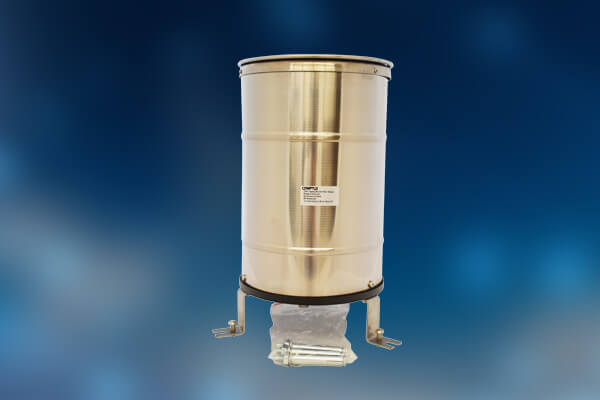
Accurate rainfall data enables better decisions in construction planning, water management, agriculture, and infrastructure operations. Proper rain gauge calibration prevents flawed forecasts, improves operational efficiency, and helps maintain regulatory compliance.
Businesses that buy rain gauges need to understand that calibrating them does not need to be complex or time-consuming. With the right approach, businesses can maintain reliable rainfall measurement and confidence in their data.
Why Rain Gauge Calibration Matters More Than Expected
Rain gauges operate in outdoor environments where debris, temperature changes, vibration, and wear affect performance. Over time, these factors can cause measurement drift. A gauge that appears functional may still report incorrect totals.
Calibration ensures rainfall measurement devices report values within acceptable accuracy ranges. This consistency is essential for applications that rely on precise precipitation data, such as environmental monitoring and facility management.
When businesses buy rain gauges, it is important to acknowledge that accurate calibration also helps extend sensor lifespan. It also reduces unexpected maintenance costs.
Common Causes of Inaccurate Rainfall Measurement
Several factors contribute to inaccurate rainfall readings:
- Debris buildup inside the collection funnels
- Misaligned tipping mechanisms in tipping bucket rain gauges
- Improper mounting or levelling
- Wear in mechanical components.
- Environmental exposure over long periods
Addressing these issues through routine calibration helps maintain dependable rainfall measurement.
Understanding Rain Gauge Types Before Calibration
Calibration steps vary based on rain gauge design. Understanding the type of rainfall measurement device in use helps determine the correct method to apply.
Tipping Bucket Rain Gauges
These gauges measure rainfall by counting bucket tips after collecting a fixed volume of water. Calibration focuses on adjusting the tipping mechanism to ensure each tip represents the correct rainfall amount.
Weighing Rain Gauges
Weighing gauges calculate rainfall by measuring accumulated weight. Calibration involves verifying sensor sensitivity and load accuracy.
Optical Rain Sensors
Optical sensors detect rainfall through light refraction or interruption. Calibration typically focuses on signal thresholds rather than physical volume.
Each design requires specific calibration procedures aligned with manufacturer recommendations.
Step-by-Step Rain Gauge Calibration Guide
When businesses buy rain gauges online, it is essential to calibrate them by following clear steps that include:
Step 1: Inspect the Gauge
Before calibration, inspect the rain gauge for debris, insect nests, or physical damage. Clean all internal components carefully, as a clean sensor improves calibration accuracy.
Step 2: Confirm Proper Installation
Ensure secure mounting of the rain gauge level, as even slight tilting can skew rainfall readings. Proper installation is a foundation for accurate measurement.
Step 3: Use a Controlled Water Source
Calibration requires a controlled water flow that mimics real rainfall rates. Slow, steady flow helps confirm measurement accuracy without overwhelming the sensor.
Step 4: Measure and Compare
Introduce a known volume of water and compare the expected rainfall value with the gauge’s output. Differences indicate that adjustment is necessary.
Step 5: Adjust and Verify
Adjust internal mechanisms or settings based on observed differences. Repeat the process until the readings align with the expected values.
How Often Rain Gauges Should Be Calibrated
Calibration frequency depends on the application and environment. Industrial and municipal rainfall-measuring devices and systems often benefit from calibration checks every six to twelve months. Locations with exposure to heavy debris, vibration, or extreme weather may require more frequent verification.
Routine calibration schedules help prevent data drift before it impacts operations.
Benefits of Consistent Rain Gauge Calibration
Reliable calibration delivers practical advantages:
- Improved confidence in precipitation data
- Reduced risk of system errors in stormwater and drainage control
- Better alignment with regulatory reporting requirements
- Lower long-term maintenance costs
Accurate rainfall measurement supports smarter planning and operational stability.
Choosing Reliable Rainfall Measurement Solutions
Selecting a durable rainfall measurement instrument simplifies long-term calibration efforts. Well-designed sensors maintain stability over time and support straightforward maintenance.
Comptus designs rainfall measurement instruments for industrial and environmental monitoring applications. These solutions support accurate precipitation data collection when paired with proper installation and routine calibration practices.
For organizations evaluating reliable rainfall measurement solutions, understanding calibration requirements helps support long-term performance. Visit Comptus to learn more about rain measurement instruments that offer accuracy and reliability.
Share on social media:
Related Post
18
Nov
2025
Common Mistakes to Avoid When Selecting...
Selecting a masterbatch provider seems straightforward, yet many companies make expensive mistakes...
- Business
- 221 Views
14
Nov
2025
Inside a VFD Controller: The Brains...
In modern automation, precise motor control determines how efficiently industries operate. At...
- Business
- 229 Views