
Understanding Solar Sensors: Differences Between PAR, Insolation, and Quantum
- 2079 Views Business
- MacRAES
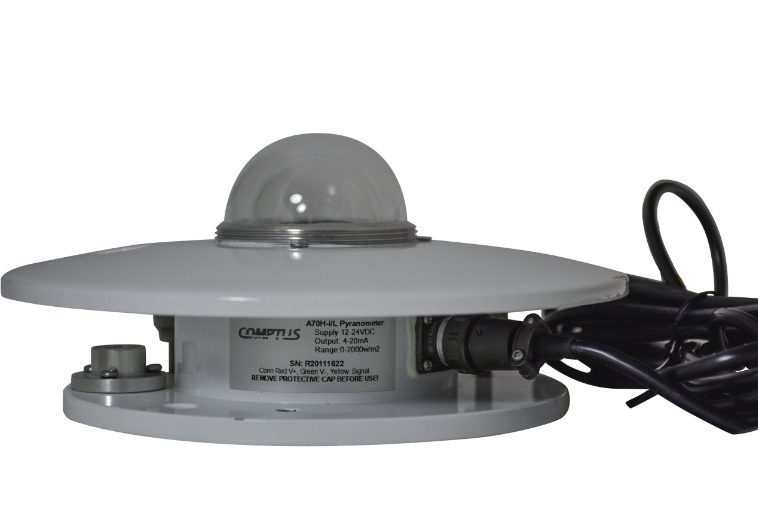
Solar radiation is critical in many industries, from agriculture to renewable energy systems. Specialized sensors are needed to measure solar energy accurately. These sensors are designed to provide precise data that professionals in climatology, meteorology, and solar energy rely on to optimize systems and processes. Comptus offers various solar radiation sensors for various applications, including PAR, Insolation, and Quantum sensors. Understanding the differences between these sensor types can help you choose the right one for your needs.
What is a Solar Radiation Sensor?
A solar radiation sensor measures the energy coming from the sun, typically expressed in watts per square meter. This information is crucial for environmental science, building physics, and solar energy. These sensors monitor the intensity of solar radiation and help control devices that rely on solar power, such as solar panels or solar lighting systems. Additionally, by integrating solar sensors with a display or control system, users can receive alerts when solar intensity reaches specific thresholds, ensuring efficiency in energy use.
Comptus provides several types of solar radiation sensors, each designed to serve a specific purpose. Understanding the functionality of solar radiation sensors helps ensure that you’re using the right tool for the job, whether it’s for measuring photosynthetically active radiation or tracking overall solar insolation.
PAR Sensors: Monitoring Photosynthetically Active Radiation
Photosynthetically Active Radiation (PAR) refers to plants’ light spectrum for photosynthesis, typically between 400 and 700 nanometers. A PAR sensor measures this specific light, making it an essential tool for agriculture and plant growth studies. Researchers, greenhouse managers, and environmental scientists rely on these sensors to monitor light conditions, ensuring optimal growth environments.
The A70H-A PAR Sensor offered by Comptus is ideal for monitoring the light plants need to thrive. This sensor provides accurate measurements, which can help adjust lighting conditions in greenhouses or research labs. Using a PAR sensor ensures that your plants receive the right amount of light, leading to improved growth and higher yields.
Insolation Sensors: Measuring Solar Power Over Time
Insolation refers to the total solar radiation energy received over a period, usually measured in watts per square meter per hour or day. This is different from solar irradiance, which measures the intensity of solar radiation at a specific moment. Insolation is crucial for applications like solar energy systems, where monitoring the total amount of sunlight that panels receive to optimize energy production is essential.
Comptus’s A70H-I Insolation Sensor is designed to track this cumulative energy. By measuring the total solar power received, the sensor helps optimize solar panel efficiency, ensuring that systems perform at their best. This data can also regulate solar-powered devices like lighting systems, enabling them to turn on or off based on available sunlight.
Quantum Sensors: Accurate Light Measurement for Research
Quantum sensors measure light in a specific wavelength range and are often used for research. They are particularly useful in scientific fields where precision is required, such as photosynthesis research, greenhouse management, and environmental monitoring. These sensors help researchers collect reliable data for experiments and field studies by measuring light within a precise wavelength.
Comptus offers the A70H-Q Quantum Sensor, designed for light measurement accuracy. This sensor is handy for studies that require monitoring specific light wavelengths. It helps ensure plants receive the optimal light for photosynthesis, making it a critical tool in agricultural research and greenhouse management.
When to Use Each Sensor?
Choosing the suitable sensor depends on the specific needs of your project. Here’s a quick breakdown of when to use each type:
- PAR Sensors: Ideal for agricultural settings, especially when monitoring light for plant growth in greenhouses or research studies.
- Insolation Sensors: Best for tracking total solar energy received over time, particularly useful in solar energy systems and building physics.
- Quantum Sensors: Perfect for precise scientific research where specific wavelength data is required, such as in environmental studies or photosynthesis experiments.
By selecting the appropriate sensor for your needs, you can improve your field’s accuracy, efficiency, and overall performance.
Why Choose Comptus for Solar Radiation Sensors?
Comptus provides high-quality solar radiation sensors tailored for various industries. Whether you’re looking to buy solar radiation sensors for agricultural purposes, solar energy systems, or scientific research, Comptus offers reliable options. The products are designed to deliver accurate results, ensuring optimal performance in the field.
Each sensor has a specific application focus, whether it measures photosynthetically active radiation or overall solar insolation. With Comptus, you can be sure that your solar radiation sensor will meet your project’s unique requirements and provide the data needed for success.
A Final Say
Understanding the differences between PAR, Insolation, and Quantum sensors is essential for making informed decisions in fields that rely on solar energy measurement. Each sensor type serves a specific purpose, from monitoring plant growth to optimizing solar panels and conducting precise environmental research. Comptus offers a range of reliable solar radiation sensors that can meet the needs of diverse industries. Whether you need to track solar energy over time or measure specific light wavelengths, choosing the right sensor is key to achieving accurate and efficient results.
Share on social media:
Related Post
31
Dec
2025
Rain Gauge Calibration Made Easy for...
Accurate rainfall data enables better decisions in construction planning, water management, agriculture,...
- Business
- 147 Views
18
Nov
2025
Common Mistakes to Avoid When Selecting...
Selecting a masterbatch provider seems straightforward, yet many companies make expensive mistakes...
- Business
- 219 Views