
Water Softener Installation in Aurora and Newmarket: What Homeowners Should Assess Before Booking
- 10 Views Business
- MacRAES
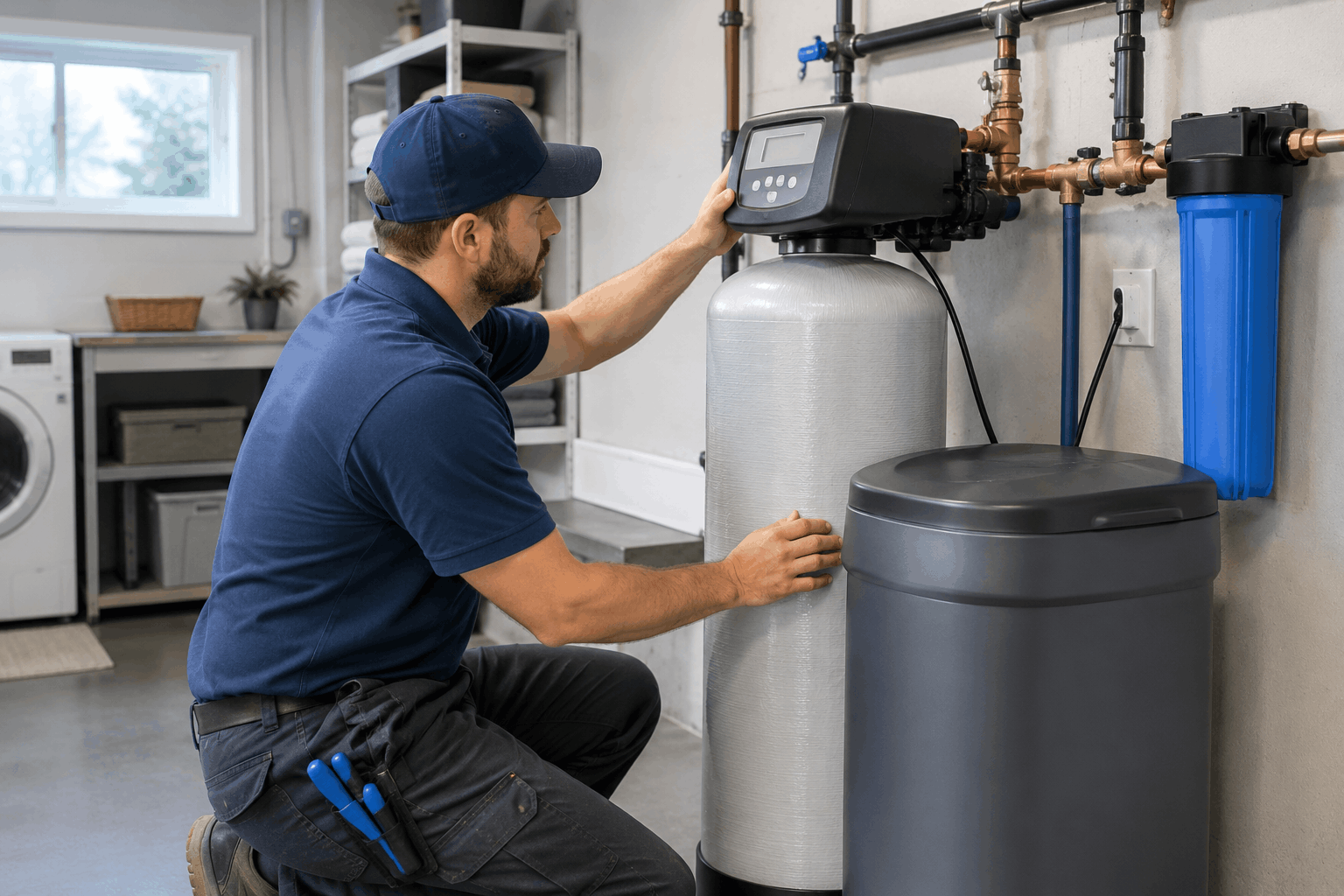
Choosing a water softener can become confusing before installation even begins. Different capacities, equipment layouts, and installation quotes can make similar-looking systems difficult to compare.
For Aurora and Newmarket homeowners, start with the property’s water conditions and household demand. Available space, plumbing connections, and maintenance access also influence the decision.
A useful installation assessment should answer three questions: does softening address the identified problem, which system fits, and what work is required?
Does the Property Need a Water Softener?
White deposits around faucets or repeated spotting on glassware may prompt interest in water softening. However, visible residue alone should not determine equipment selection.
Those reports provide local context. Testing the property’s incoming water helps establish the conditions the proposed equipment must treat.
Homeowners should explain the specific concern during the assessment. That might include frequent mineral cleaning, dissatisfaction with an existing softener, or planning treatment for a renovated home.
The recommendation should connect the test results with that concern. Location alone does not establish that every household needs the same system.
A water softener also serves a different purpose from a general filtration system. The quote should identify which water condition the proposed equipment addresses.
How Should a Water Softener Be Sized?
Home water softener sizing should account for measured hardness and household water use. Bedroom count provides only limited information about actual demand.
An assessment should consider:
- The number of regular occupants.
- Typical daily water use.
- Fixtures and appliances that may operate at the same time.
- Planned changes in occupancy or plumbing.
- The equipment’s treatment capacity and service flow rating.
Capacity and flow rate describe different requirements. Capacity concerns how much hardness the system can remove between regeneration cycles. Flow rate concerns how much water can pass through during use while meeting the equipment’s specifications.
For example, two similarly sized homes may have different morning routines. One household may use several showers while another spreads water use throughout the day.
The installer should explain how the selected model accommodates those conditions. Homeowners can also request the proposed operating settings and the assumptions behind the recommendation.
A larger advertised capacity should not replace a clear explanation of suitability.
What Space and Plumbing Connections Are Required?
A suitable water softener must fit the installation area and allow access for routine care. Measuring the tank footprint alone leaves several practical questions unanswered.
A site assessment should review:
- The proposed location and access route.
- Existing supply pipes and connection points.
- Drainage arrangements for regeneration discharge.
- Any electrical requirements specified by the manufacturer.
- Access to controls, valves, and the salt tank.
- Protection from freezing temperatures.
The plumber should identify required connection changes before installation begins. Drain connections must follow applicable requirements and the equipment’s instructions.
Homeowners should also clarify which water lines will receive softened water. Outdoor taps and any separate untreated drinking-water supply deserve discussion during planning.
A cramped utility area may require a different equipment layout or additional preparation. The quotation should identify that work clearly.
For a replacement installation, existing connections still need assessment. The new model may have different dimensions, connection positions, or operating requirements.
What Maintenance Should Homeowners Plan For?
A conventional salt-based softener requires ongoing attention after installation. The household should understand the recommended salt type, replenishment procedure, and routine checks.
Maintenance planning should cover:
- Checking salt levels according to the manufacturer’s guidance.
- Watching for leaks or control-panel alerts.
- Keeping service areas accessible.
- Following model-specific cleaning and servicing instructions.
- Checking treated-water hardness when performance becomes uncertain.
The installer should demonstrate normal operation and explain the bypass valve. Homeowners should also receive the equipment manual and relevant warranty information.
Questions about running costs belong in the selection discussion. Salt use, regeneration water use, and servicing needs depend on the equipment, settings, and household demand.
Any estimate should explain its assumptions. The household should also know who handles future equipment faults and installation-related concerns.
What Should a Water Softener Installation Quote Include?
A useful quote should make the proposed equipment and installation scope easy to understand. Comparing prices becomes difficult when one quotation includes work that another excludes.
The written scope should identify:
- Equipment make, model, and proposed capacity.
- Included valves, fittings, and plumbing modifications.
- Drainage and electrical preparation responsibilities.
- Removal of an existing system, where applicable.
- Initial programming, flushing, and operational checks.
- Equipment warranty and workmanship terms.
- Exclusions and the process for approving additional work.
Homeowners should ask whether the handover includes checking treated-water hardness and explaining routine care.
The guide to choosing a local plumbing company in the GTA explains contractor qualifications, written scopes, and follow-up expectations.
Arrange Water Softener Installation in Aurora and Newmarket
J.A. Plumbing Inc. provides residential water softener installation, including water testing, system selection, plumbing connections, and setup checks.
Contact J.A. Plumbing Inc. to discuss water softener installation in Aurora or Newmarket and arrange an assessment of the property’s requirements.
Share on social media:
Related Post
27
Aug
2026

Switching Packaging Suppliers: The Questions Growing...
Changing packaging suppliers is not a decision most businesses make lightly. There's...
- Business
- 61 Views
03
Aug
2026

How Square vs Round Commercial Pans...
Franchise pizza programs depend on uniform crust character across every location, and...
- Business
- 134 Views