
Why Businesses Rely on a Colocation Strategy for Data Center Security
- 14 Views Technology
- MacRAES
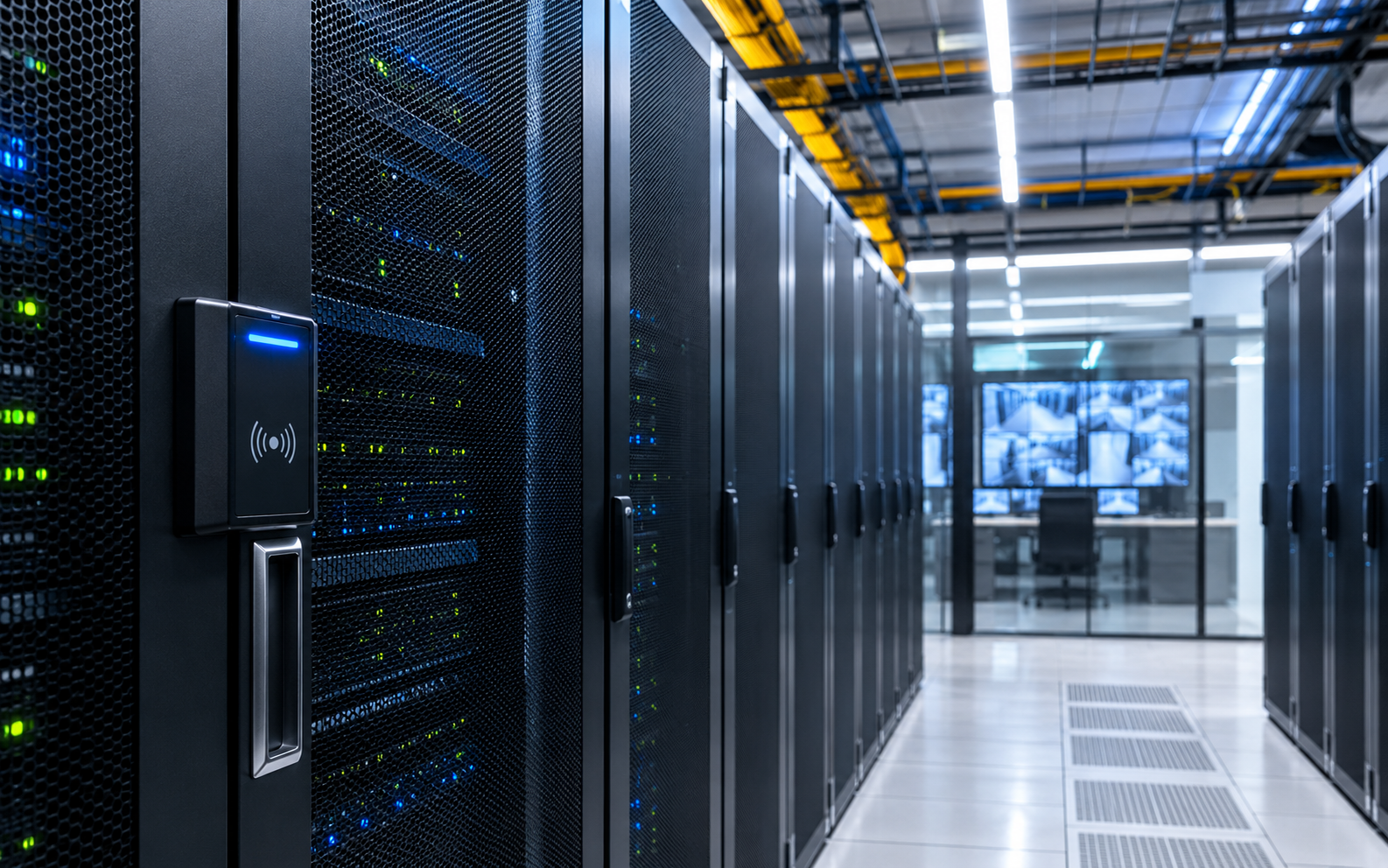
Physical security gaps rarely begin with malware. They start with shared doors, untracked visitors, unstable power, inconsistent cooling, and change control that lives in individual memory. A colocation data center replaces that fragile operating model with purpose-built controls, continuous oversight, and a clearer separation between business workloads and facility risk.
That shift matters because on-premises space often ties skilled teams to building issues rather than to revenue, service delivery, or compliance work. Capital spend is only part of the burden; maintenance coordination, vendor management, and audit preparation absorb attention long after equipment is installed. The useful lens for decision-makers is not simple outsourcing. It is whether security posture, uptime resilience, and governance improve enough to free internal staff for core objectives without creating blind spots in accountability.
How a Colocation Data Center Solves Security Challenges
Security maturity is visible in operating discipline, not in glossy promises. A colocation data center with staffed monitoring, tightly controlled ingress, cabinet-level access logging, and formal visitor handling closes the exposure that internal server rooms struggle to manage consistently. Threat mitigation tends to be stronger where surveillance, alarm response, and physical segregation are handled as routine operations rather than occasional projects.
Distributed server colocation architecture also reduces concentration risk, but only when replication policy, network design, and recovery ownership are aligned. Data centre colocation environments that are certified against recognized control frameworks usually support cleaner audit preparation, especially where privacy and payment obligations apply. Buyers should look for ISO aligned processes, SOC attestation, PHIPA awareness, and PCI DSS control mapping. The decision point is simple: if responsibility for access approval, incident response, or evidence retention is unclear, security performance tends to be uneven at the worst possible moment.
Core Defenses in a Colocation Data Center
Resilience fails when power, cooling, and physical access are planned in isolation. In a mature facility, conditioned utility feeds, backup generation, thermal management, and environmental alarms work together to absorb stress before it becomes an application interruption. That integrated approach is widely recognized as stronger than improvised equipment rooms, where maintenance and emergency response often depend on whoever is available.
Physical defence should extend well beyond a badge reader. Biometric verification, controlled-entry vestibules, secured cabinets, and retained access records create layered barriers that materially reduce the risk of unauthorized handling. Reliable data centre colocation also depends on disaster recovery protocols that define backup integrity, restoration authority, communication flow, and recovery priorities before an incident occurs. The practical trade-off is straightforward: redundancy that is not documented, tested, and assigned to named owners can appear robust during procurement and still fail during a disruption.
Optimizing Your Colocation Data Center Strategy
The right sourcing decision starts with gap mapping, not vendor shortlists. Review application criticality, compliance obligations, network dependencies, backup posture, and internal support capacity before choosing cabinet space, managed services, or migration scope. A Colocation Data Center delivers value when its design matches operational reality, especially regarding remote-hands expectations, escalation rules, and the balance between customer control and provider responsibility.
Pathway Communications positions its hosting services around customized infrastructure, rigorous network defences, and scalable support, which is the standard buyers should expect rather than a premium extra. Experienced providers usually make migration cleaner because cutover ownership, validation, and rollback planning are agreed upon before racks are commissioned.
For a deeper breakdown of transition planning, see our guide on managed hosting and disaster recovery, then request a consultation or quote that addresses audit evidence, access governance, and exit planning in plain language. A well-matched Colocation Data Center reduces distraction, strengthens compliance support, and helps technical teams protect critical workloads without turning facility management into a standing business risk. Contact us now!
People Also Ask
Q1. How do colocation providers ensure physical security?
Colocation providers typically use layered controls such as perimeter security, 24/7 video surveillance, on-site security staff, and controlled entry using key cards/biometrics/mantraps. They also use environmental monitoring (fire/smoke, temperature, and water leaks) plus audits and access logs to track activity.
Q2. What security benefits does colocation provide over on-premises hosting?
Colocation facilities commonly provide enterprise-grade physical and operational security (e.g., biometric access, continuous monitoring, and fire suppression) that many organizations can’t match cost-effectively on-premises. Many providers also maintain compliance programs (such as SOC 2 and PCI DSS), helping reduce risk from unauthorized access and facility-related hazards.
Q3. What are the latest trends in colocation data center security?
Current trends include combining physical and cyber controls with AI-assisted threat detection, biometric authentication, zero-trust approaches, and real-time monitoring via sensors and analytics. Providers are also increasing automation for incident response and compliance management to improve speed and consistency.
Share on social media:
Related Post
04
Nov
2025
Reliable MacBook Pro Service & Repair...
If you own a Apple MacBook Pro and it’s giving you trouble—whether...
- Technology
- 701 Views
18
Sep
2025
How KYC & AML Compliance Can...
Introduction In this digital world we live in now, trust really matters...
- Technology
- 1763 Views